
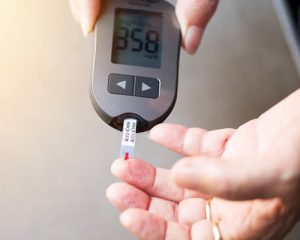
 Blood sugar levels are one of the most important health indicators and knowing them is a pre-requisite of any health monitoring regimen. In this article, we focus on understanding normal blood sugar levels in non-diabetic adults. Our goal is to aid comprehension of fasting as well as post-prandial blood glucose levels with readings in familiar units mg/dL and mmol/L. Bear in mind that any and all information provided here should only serve an informative purpose, and medical advice should always be sought from a relevant authority should there be any issues or questions regarding blood sugar or health in general.
Blood sugar, or blood glucose, refers to the glucose levels in the blood. It serves as an energy source for the cells and is derived mostly from carbohydrates in the diet. In non-diabetic adults, the body manages blood sugar levels quite well and keeps it balanced through the action of insulin, a hormone that shifts glucose from the blood into cells where it can be utilized for energy.
It is imperative to understand your normal blood sugar range which allows you to effectively track your health status as well as make sound health decisions. This information is equally essential when consulting your physician as it aids in explaining the changes or concerns related to your energy levels or health in general.
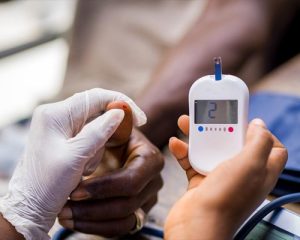 Fasting blood sugar levels are used to determine the amount of glucose present in the blood after refraining from eating for more than 8 hours—usually measured after waking up in the morning. Adults who do not suffer from diabetes have a normal fasting blood sugar level that ranges from 70 to 99 mg/dL, or about 3.9 to 5.5 mmol/L. Maintaining such a range implies that your body is successfully controlling your blood glucose levels, even during fasting periods such as sleep.
It is crucial to note that these figures represent averages, and there can be some variations. Your fasting blood sugar can be affected by several factors, such as the quality of your meals the previous day, the amount of stress you are under, or the time of day when the test is done. Nevertheless, if your fasting sugar is always outside this range, then retrieving a second opinion on your diet and lifestyle might be beneficial.
The story your fasting blood sugar tells about your metabolism is invaluable. There’s the fasting blood sugar number for non-diabetics, but it’s rarely considered. The default is oblivion. The number not being understood, and thus not appreciated, frees one from responsibility. Yet, understanding the number nurtures the ability to appreciate how the body converts food into energy, which is a powerful emotion. It equips one with the ability to nurture eating choices and a lifestyle that is healthier.
Post-meal blood sugar levels are checked after eating, specifically one to two hours after a meal. An adult who does not have diabetes should have post-meal blood glucose levels below 140 mg/dL or approximately below 7.8 mmol/L. During post-meal blood sugar level checks, sugar from a meal is being digested and absorbed into the bloodstream. A temporary increase in blood sugar is noted. Your body sugar levels decrease as insulin is released and glucose is moved into the cells.
When blood sugar stays in the healthy post-meal range, it’s an indication that your body’s insulin production and cellular glucose uptake are functioning properly. Naturally, blood sugar rises after a meal; the concern is how long it stays elevated. If your blood sugar readings hover above this range, it may be helpful to consult with a healthcare professional to assess your diet and determine if any adjustments are necessary.
Post-meal blood sugar spikes are better controlled when meals include fiber, protein, and good fats. Balanced meals are thus essential to maintain an ideal blood glucose level. Moreover, having a daily exercise routine not only promotes overall health but also aids in the efficient management of blood sugar levels.
Keeping track of the “glycemic index” may be beneficial. The glycemic index ranks carbohydrates from 0 to 100, based on how soon after eating they raise blood sugar levels. Foods with a low glycemic index are processed at a slower pace, causing blood sugar to rise at a slower rate. This can aid in maintaining more stable blood glucose levels not only in diabetic patients but also in healthy individuals.
Obtaining blood sugar levels from a fasting test for an individual without diabetes is useful as a control to compare one’s own levels against. If blood sugar levels are being self-monitored as part of a health initiative, they are useful in the early identification of any abnormalities. A “normal blood sugar” reading indicates that the individual is maintaining good overall blood sugar control throughout the day.
Recall that blood sugar levels can be affected by many other variables, including stress, exercise, and diet. Temporary fluctuations are common, even when healthy and nondiabetic. Prolonged changes beyond the normal levels should be checked with a doctor to ensure there are no other health concerns.
In addition, understanding your blood glucose range from mg/dL to mmol/L makes it easier to follow laboratory reports and your overall health checkup. It shows if your body is functioning well or if any changes need to be made aesthetically, in terms of diet, exercise, or overall health management.
An equilibrium in your daily routine can significantly help in keeping your blood sugar at an ideal level. Consuming a balanced diet, engaging in stress relieving physical activities, and keeping anxiety in check, are all beneficial towards your blood sugar management.
Dietary sources rich in fiber such as fruits, vegetables, and whole grains decelerate sugar absorption in the body, thus aiding in the maintenance of stable glucose levels. Likewise, lean protein sources and good fats provide steady energy and prevent the blood sugar level from spiking, which is common with simple carbohydrates.
Engaging in physical activities on a regular basis increases the insulin sensitivity of your body. Exercising moderately, for example by taking a walk or riding a bicycle, helps in reducing the sugar levels in the blood after meals, enhancing the effects of a nutritious diet. In the same way, getting enough sleep and managing one’s stress effectively, for instance through meditation, contribute a great deal to the regulation of one’s blood sugar in the optimal range throughout the day.
The following strategies work for general wellness, but please be aware that each body functions differently. Earlier, we spoke of a “normal blood sugar” range that provides a rough estimate of what is normal. A person’s genes, his or her state of health, and daily habits all have an impact on what is normal for that person.
Understanding normal blood sugar levels helps you take the right steps towards improving your health. For most adults without diabetes, a normal fasting blood sugar range lies between 70–99 mg/dL (3.9–5.5 mmol/L), and post-meal levels generally stay under 140 mg/dL (roughly 7.8 mmol/L). These markers help explain and offer achievable goals on how your body handles blood sugar.
Despite the numbers serving as a good framework, it is known that there are many differences on an individual level. Blood sugar control is a multifactorial system influenced by diet, exercise, and even stress. Keep these factors in mind as you gauge your health, and do recall that the details presented are for informational use only.
Should you notice symptoms related to your blood sugar, or to your health in general, you should seek a consultation with your physician or healthcare provider. They are in a position to give specialized counselling, perform appropriated examinations, and assist you with appropriate interventions.
If this post has served its purpose of adequately explaining the ‘normal range’ of blood sugar for adults who don’t have diabetes, we have achieved our goal. In case you believe the details serve a purpose to other people, ensure your circle of friends and family have access to it. The more people talk about the wellness matters, the more advanced the community would be in terms of knowledge.