
 An organ transplant is the biggest move made in the destination toward health and quality of life. The prospective transplant patients must go through the pluses and minuses of organ transplantation to make a well-informed decision. This offers a somewhat balanced view of the advantages and disadvantages of major organ transplants-kidney, liver, heart, lung, and pancreas-and sheds light on relevant considerations affecting transplant outcome. Weighing the positive and negative aspects enables the patient to have more beneficial discussions about treatment options with their treating physician.
Organ failure, whether due to chronic disease, injury, or congenital problems, substantially affects one’s quality of life. Transplantation could serve as a restoration to life and a new beginning, but there are risks and issues involved. Over recent decades, there has been a huge improvement in transplantation outcomes through enhancement of surgical techniques, organ preservation, and post-transplant care. And yet, no procedure is without its challenges. Patients must balance the prospects of restored organ function and better wellbeing with the risks of post-operative complications, lifelong medications, and altered lifestyle.
This article intends to cast the net wide to provide simple yet comprehensive information about the benefits and pitfalls of organ transplants. More specifically, we will cover transplants of the kidney, liver, heart, lung, and pancreas, which are the organs most commonly involved in transplantation. A detailed account covering immediate and long-term considerations will be presented to allow the patients to have a grasp on what to expect and plan in the post-transplant life.
The organ transplant has undergone major advances surgically, immunosuppressive regimen, and post-operative care-setting stages. With these advances, it now becomes possible for many patients to live longer and better. Let us look at major advantages that are enumerated depending on organ.
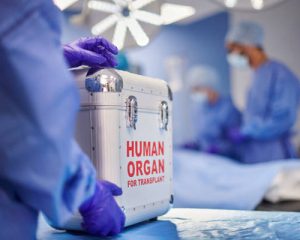 Organ transplantation offers many patients who are suffering from end-stage organ failure with the hope of acquiring a relatively more active and functional lifestyle. For example, in the case of kidney transplantation, all impositions of regular hemodialysis are removed, and the patient enjoys a lot of freedom and enhanced energy. Heart transplantation also causes a significant improvement in cardiac function and allows patients to undertake normal physical activities that they were unable to do before because of their failing heart.
Depending on the transplanted organ, it can give a patient an enormous increase in life expectancy, usually when compared with patients on medical management long-term. Patients with end-stage liver disease undergoing liver transplantation could be given an opportunity for a steep increase in survival time. With the development of surgical techniques and customized immunosuppressants, now many transplant recipients have long life, with a good postoperative quality of life.
The main objective of transplant procedure is to restore an impaired organ function. Life-threatening processes occur if this organ decompensates; an example of such a life-threating process would be nutrition and excretion. The kidney transplantation restores the kidney’s function of filtration and elimination so that one does not suffer from debilitating consequences of kidney failure. In the same manner, lung transplantation will generally try to correct problems with oxygen exchange, while pancreas transplantation will try to restore insulin production in cases of chronic diabetes. Such restoration can also improve one’s mental and emotional well-being.
Patients often mention that, once transplanted, their autonomy is also somewhat higher. Having had to depend on dialysis or the constant attention of a physician issuing instructions as to what drug to take and how much, many of these individuals can sleep better at night and more easily join their work schedule, social outings, and hobbies. Heart and lung transplants provide them with a giant stride for restoration of circulation and respiratory function, enabling these individuals to engage in activities with renewed vigor while lessening a chronic disease’s imposition on their daily living.
From a psychological point of view, then, maybe transplantation is on a par with physical rehabilitation. Being able to relax with family, take trips, go out to dinner, and basically continue living as much as is possible brings about a very real sense of normalcy that would otherwise not be possible with severe organ failure. This increased normalcy in their lives can also serve to alleviate a great deal of emotional distress associated with chronic illnesses, which in some cases may translate to fewer instances of depression and anxiety.
Specifically addressing different types of transplants:
The few disadvantages and challenges of the process notwithstanding, organ transplantation does remain overwhelmingly beneficial. It will be an informed choice if one considers the advantages as well as the potential disadvantages.
Transplant surgeries are lengthy procedures that carry the inherent risks of bleeding, infection, or reaction to anesthetic. These days, much better surgical techniques are in place, but complications do occur either during or after transplantation. If so, further surgical or medical intervention may become necessary, which can lengthen recovery time and lessen the overall success of the transplant.
These are the main aspects in post-transplant care; immunosuppression is a lifelong affair. Patients must protect their transplanted organs from rejection by taking medicine that suppresses their immune system’s normal response. While these drugs work well in lowering rejection, they serve to predispose the recipient and make their bodies more prone to infections and other diseases. Long-term use of immunosuppressants has been linked to increased risk for hypertension, renal failure, and malignancies; for instance, a kidney transplant recipient would ironically have to monitor kidney function carefully due to the side effects of these drugs to prevent rejection.
Even with the use of the latest immunosuppressive therapies, there still remains a chance for the recipient’s body to reject the transplanted organ. Some evidence of rejection usually demands emergency medical measures, another treatment, or in some cases even a second transplant. A strong form of rejection can outright lead to graft failure; thus, the intended benefits of transplant are lost and the patient is put at danger.
The whole transplantation operation will have large physical demands on the body and, indeed, mental and emotional ones. Patients are usually under stress with considerations of whether the surgery will be successful or not, fear of rejection, and disturbances in their normal day-to-day life due to long-term medication with consideration of the side effects. These are basically psychological stresses and can cause anxiety and depression. Having to make critical decisions about their own well-being in the midst of an ever-shifting circumstance can create a continuing emotional burden, which may entail counseling and mental health support.
Organ transplantation can be prohibitively costly. Several healthcare systems and some private insurance plans may cover such procedures, but the cost of surgery, post-operative care, and medications can lead to considerable out-of-pocket expenses for any patient. A heavier financial load thus makes an already difficult medical journey even more stressful for some patients. From an economic standpoint, treatment costs also encompass follow-up appointments, diagnostic investigations, and even potential readmissions due to complications.
Life changes following an organ transplant can be huge. Patients should strictly comply with medicine schedules and attend regular appointments, making lifestyle adjustments to cope with side effects or to guard against infection. For example, even small irritants in the air can pose problems for patients who have had lung transplants. Pancreas transplant recipients will most likely have to monitor their blood sugars on an ongoing basis well after the transplant. This lifelong task competes with the patients’ other personal and career goals.
Maybe this is something to consider: the issue of donor organs being available. The disparity between donated organs running low and patients on waiting lists continues to remain a huge challenge for laying down transplant medicine. Potential patients then may turn out to have their waiting times drawn out longer, an impact on current health situation, and even end up jeopardizing actual eligibility for a transplant. This problem becomes graver in areas where the organ donation rates are on the compromisable side, as the patients find delays in having their life-saving transplant along.
In a detailed look at each transplant type:
Organ transplantation has become the most transformative intervention ever in modern medicine. Restoration of life quality, extension of life span, restoration of organ function, and gaining a degree of independence-by all these, it can be hoped that many patients with end-stage organ failure are given hope. Kidney, liver, heart, lung, and pancreas transplantation therefore constitute life-saving-procedures whose actual existence restores not only physical health but also emotional and social well-being.
However, the path is not without its difficulties. Surgical risks, the need for lifelong immunosuppressive therapy, the ever-present chance of organ rejection, psychosocial stress, financial expenses, and the long waiting period for donor organs-the last set of considerations-factors from which every potential transplant candidate must carefully weigh. When choosing whether to proceed with organ transplantation, the choice is to weigh these benefits against the inherent risks and to decide based on medical and personal priorities.
Ongoing scientific research and developments address many of the pertinent issues of organ transplantation. Immune-suppressing drugs, surgical techniques, and post-operative care have all seen their improvements on the field of research. Nonetheless, the decision to proceed with a transplant is complex and must be individualized. An essential preliminary step to any prospective transplant patient would be to have an extensive and meaningful discussion with their healthcare team about their personal health situation, the particulars of the transplant procedure, the risks involved, and the major life changes the patient will undergo going forward.
To conclude, these are challenging procedures that are set out to though both transplanted organs and their recipients through life because of the potential for that transient quality. With ongoing research promising many advances in the future for transplant medicine, patients are therefore advised to keep themselves updated and involved in making decisions about their health.